Ending Mental Health Stigma Through Empathy and Education
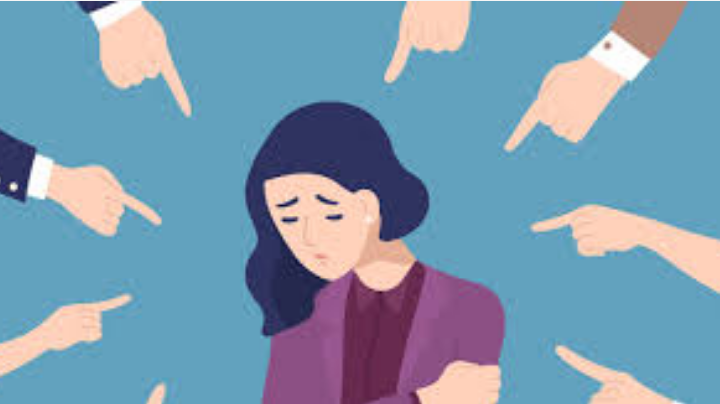
Society has progressed in how we view and treat mental illnesses, but stigma still remains an issue. Stigma is defined as negative attitudes, stereotypes, and discrimination against those with mental health conditions. In some ways, facing stigma can be worse than the mental illnesses itself. This is why it is so important not to judge people and dismiss what they are feeling. To those struggling with mental illnesses and neurological disorders, you are not alone, and what you are going through is valid. This post will discuss why stigma around mental health is so harmful and steps we can take to end it.
Consequences of mental health stigma:
It can deter people from seeking the help they need - many individuals do not seek the treatment they need due to fear of being judged; they are afraid of being called "weak" or "crazy" for taking medication, seeing a therapist, and even going to support groups. Because of this, symptoms can worsen and even become fatal.
It can lead to feelings of shame and self-stigmatization - after a while, negative stereotypes can become internalized, therefore causing individuals to believe that they are true. It becomes a self-fulfilling prophecy. Individuals may blame themselves for having a mental illness and feel guilty, even though it is not their fault.
It can lead to isolation - the fear of being judged can often force people with mental illnesses to keep to themselves. Consequently, isolation can also worsen symptoms of depression and anxiety.
It can spread misinformation - myths such as “it’s all in your head,” “stop being a victim,” or "that's just an excuse" can be extremely harmful. Mental illnesses are very real, and those who deal with them every day are some of the strongest people in the world. They show up every day, no matter how difficult it is. If they wanted to "play the victim" or "use their mental health conditions as an excuse," then they would not be trying as hard as they do to function in the world. This misinformation can prevent people from recognizing when those around them, especially loved ones, need help.
How Can We Destigmatize Mental Health?
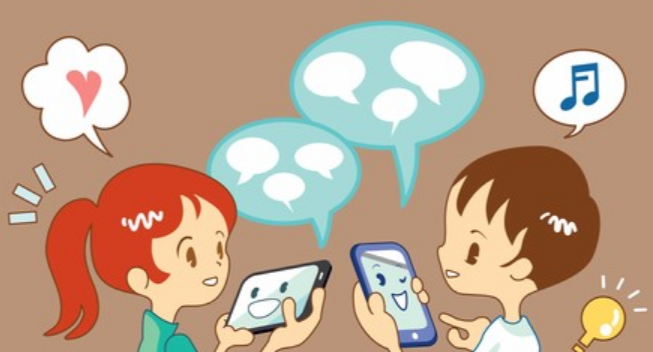
Allow open communication about mental health - a conversation can go a long way, especially if one can listen without judgment. Allowing someone to openly discuss how they are really feeling can mean so much to them.
Education - learning the facts about mental health from reliable resources (great examples include NAMI and WHO) is an important step we can take to fight against stigma and prejudice.
Pay attention to behavior or language that could be stigmatizing - it is important to avoid using words and phrases such as "psycho," "crazy," "it's all in your head," "that's just an excuse," or "stop playing the victim," as well as to avoid making jokes about mental health.
Normalize seeking help - there is nothing wrong with needing medication or seeing a therapist for mental illnesses. Seeking treatment not a sign of weakness, but rather a sign of strength because it shows initiative; individuals with mental health issues want to get better, and getting help is a powerful step towards recovery.
Empathy - kindness and compassion can mean so much to someone who is going through a rough patch. As Robin Williams once said, "Everyone you meet is fighting a battle you know nothing about. Be kind. Always."
References