Setting Boundaries: Why They Matter and How to Start
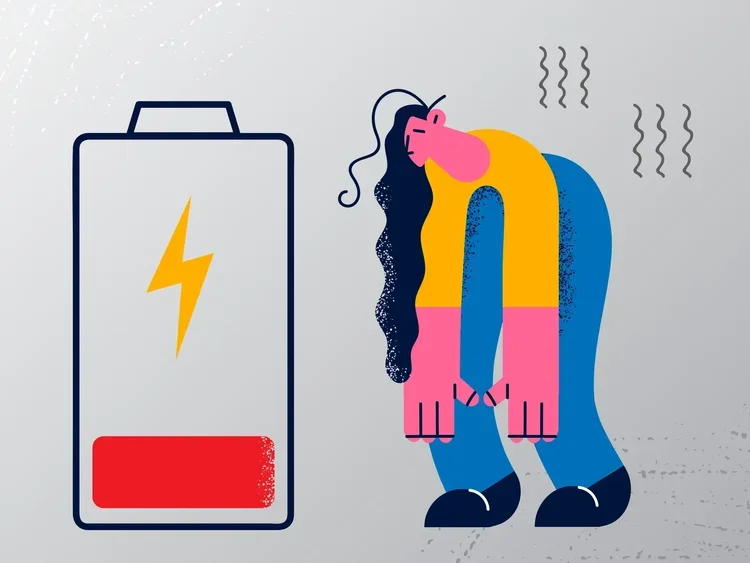
Life is short and the days can be hectic. The majority of us must balance work, school, relationships, families, and other obligations on a daily basis. We may have been told by other people or ourselves to "work hard," "do more than what is expected of us," or "always say yes because you may miss an opportunity." But what about making time for ourselves, and giving ourselves space to recharge? How can we be expected to show up for others if we are running on empty? We cannot pour from an empty cup. This is where setting boundaries comes in. A boundary is a limit or rule we set for ourselves and others to protect ourselves and our well-being. Boundaries give us space to recharge so we can continue to show up every day and perform our best. Setting boundaries can feel selfish, but they are essential. This post will talk about why boundaries are so important, why we feel guilty when we set them, and how we can ease the guilt.
Why are setting boundaries so important?
They help protect mental health - giving more time and energy than we have can lead to exhaustion and burnout. Overcommitting can also lead to stress. Setting boundaries helps protect our energy, prevent exhaustion, and reduce stress.
They help maintain our identity and values - constantly meeting others' demands can sometimes get in the way of our own values and well-being. Boundaries help us ensure that we are not meeting the demands of others, while putting our well-being and sense of identity at risk.
They help improve communication and relationships - setting boundaries with those around us lets them know how we want to be treated. If we do not respect ourselves, then we cannot expect others to reciprocate that same respect.
Why do we feel guilty when setting boundaries?
We may fear that we may be letting someone down if we say no
We may fear that others might be disappointed in us for not committing to certain tasks
Setting boundaries and prioritizing ourselves may seem selfish
Tips for setting boundaries without the guilt
Assess your own needs and limits - take a look at what situations have left you feeling drained, what you absolutely need to feel safe and respected, and in what situations did you say yes, but meant no (or the other way around).
Communication is key - use "I" statements and be specific with your boundaries (an example would be, "I will be unavailable for anything work-related after 5pm"). This lets people know for what and when you are unavailable, making it easier for them to respect your boundaries. It is also important to avoid over justifying and over apologizing for setting boundaries. It is OK not to explain why you are setting boundaries; over explaining will just lead to more guilt.
Start small - setting smaller boundaries (like setting a limit for screen time on your phone, for example), will allow you to become more comfortable setting larger boundaries, such as saying no to an outing that you may be too tired to attend.
Consistency is key - it is important to follow through whenever you set a boundary because it will become a habit and people will get used to and respect it.
Understand that discomfort is normal - it is OK to feel guilty and uncomfortable at first; trying new things can be uncomfortable in the beginning. This does not at all mean that you are a bad person. When feelings of guilt appear, try to reframe them into something positive (for example, "By saying no to going out tonight or working late, I am saying yes to prioritizing my health and well-being.")
Seek support if needed - there is nothing wrong with talking to a therapist or someone you trust, especially if the guilt is intense or people make you feel bad for setting boundaries. Talking about the situation may be helpful in coming up with solutions on how to set healthy boundaries and ease feelings of guilt.
References
How to Set Boundaries and why It Matters for Your Mental Health; UC Davis Health
The Importance of Setting Boundaries for Your Mental Health & Safety; BetterHelp
How to Set Healthy Boundaries & Build Positive Relationships; PositivePsychology
Setting Healthy Boundaries Without Guilt: A Guide to Self-Care …; IMPACT Psychological Services
Setting Boundaries Without Guilt And Other Self-Care Techniques; BetterHelp